
The Rise of Car Elevators in MENA
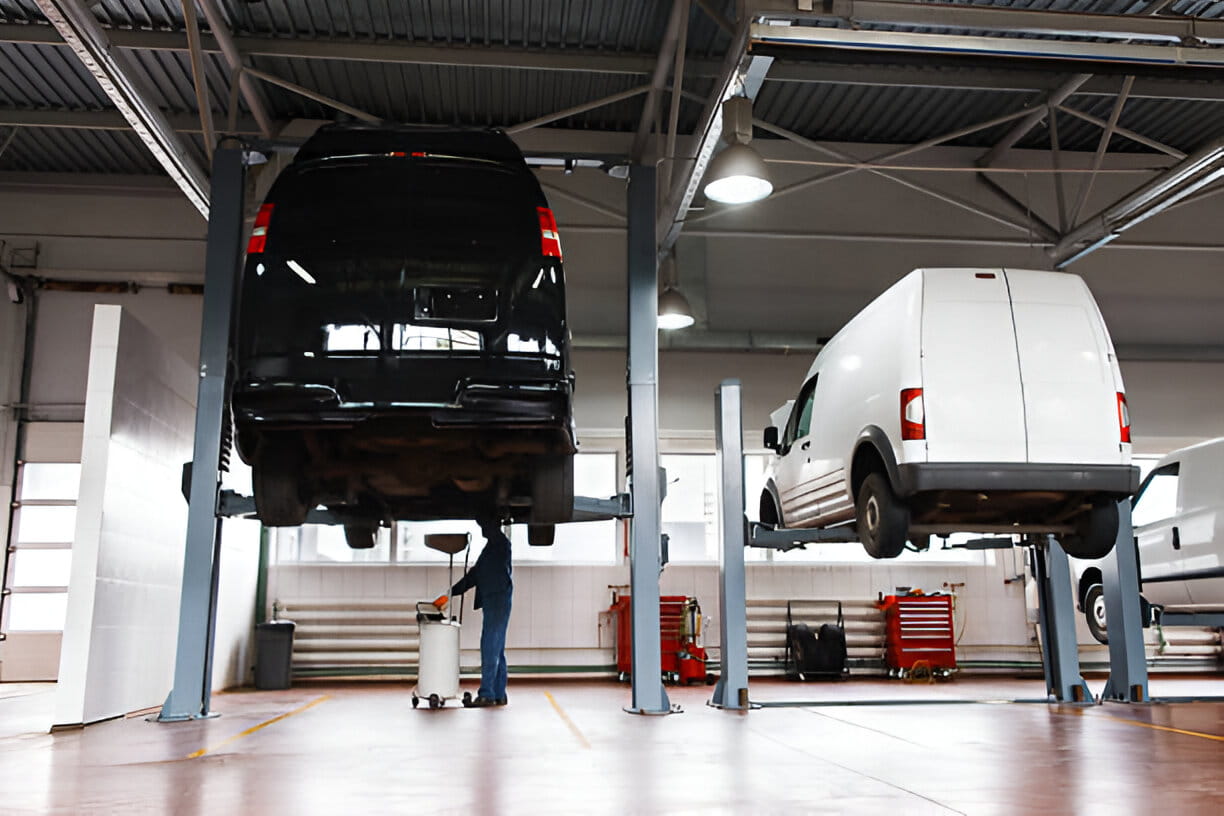
Urban density across the MENA region is transforming how parking infrastructure is integrated into villas, luxury residences, and mixed-use developments. In cities such as Dubai, Riyadh, Doha, and Kuwait City, land optimization and architectural expectations are driving significant demand for car elevators (vehicle lifts).
Car elevators are no longer niche luxury additions. They are becoming strategic infrastructure components in high-end villas, car showrooms, boutique residential towers, and urban infill developments where ramp space is limited or architectural aesthetics must be preserved.
This article outlines essential design considerations for car elevators in the MENA region, with a focus on regulatory compliance, environmental adaptation, and long-term performance.
Understanding Car Elevators in the MENA Context
Car elevators are heavy-duty lift systems engineered to transport vehicles vertically between parking levels. Unlike passenger elevators, these systems are designed for high load capacity, reinforced platforms, and precise leveling to ensure safe vehicle entry and exit.
Typical capacity ranges from 2,500 kg to over 6,000 kg, depending on application requirements.
In high-end villas across the UAE and Saudi Arabia, car elevators are frequently installed to provide direct basement access without external ramps, preserving façade aesthetics and maximizing usable plot space.
Design Considerations for Villas
Structural Integration and Early Planning
Car elevators should be integrated during the architectural design stage. Key structural requirements include reinforced pit construction, load-bearing slab calculations, adequate headroom, and proper drainage.
In coastal areas of the UAE, groundwater management and pit waterproofing are critical to prevent corrosion and equipment damage.
Climate Adaptation and Environmental Protection
Extreme heat, dust, and humidity across the GCC require specialized component protection. Systems must include:
- High-temperature-rated hydraulic oil (for hydraulic systems)
- Dust-resistant control panels
- Corrosion-protected guide rails
- Adequate ventilation systems
Outdoor or semi-outdoor installations must be engineered to withstand temperatures exceeding 45°C and sand exposure.
Drive System Selection: Hydraulic vs Traction
Hydraulic Systems
Common for low-rise villas due to compact design and lower initial capital cost. However, they consume more energy and may require more intensive maintenance in high-temperature environments.
Traction (Machine Room Less – MRL) Systems
Increasingly preferred in premium projects due to higher energy efficiency, lower long-term operating costs, faster travel speeds, and improved sustainability alignment.
Developments aligned with green building principles are shifting toward traction-based solutions for long-term performance optimization.
Design Considerations for Urban and Mixed-Use Developments
As vertical density increases across the UAE, Saudi Arabia, Qatar, Oman, Kuwait, Bahrain, and Egypt, car elevators are being incorporated into:
- Boutique residential towers
- Luxury hospitality developments
- Car dealerships and showrooms
- Automated parking systems
- Mixed-use podium structures
Traffic Flow and Operational Modeling
Urban car elevator installations must be designed around peak vehicle flow, turnaround time, waiting queue management, and integration with access control systems.
Traffic simulation studies are recommended to avoid congestion and operational bottlenecks.
Load Capacity and Vehicle Diversity
The MENA market has a high concentration of large SUVs and luxury vehicles. Car elevator platforms must accommodate:
- Extended wheelbases
- High vehicle weights
- Wide door openings
- Low ground clearance vehicles
Accurate sizing during the design phase prevents operational limitations and safety risks.
Regulatory Compliance Across the GCC
Car elevators must comply with local municipality approvals, civil defense regulations, and applicable international safety standards.
In the UAE, approvals typically involve coordination with local authorities and consultants. In Saudi Arabia, compliance with national standards and Civil Defense requirements is mandatory.
Each GCC country has its own approval and inspection procedures that must be addressed during project planning.
Energy Efficiency and Sustainability
As ESG requirements expand across regional property portfolios, energy-efficient car elevators are becoming a priority.
Modern systems can include:
- Regenerative drives
- Standby power-saving modes
- LED lighting
- Smart control systems
Standardized specifications across multi-country portfolios support consistent maintenance and lifecycle cost control.
Critical Safety Features
Car elevators must incorporate advanced safety systems, including:
- Vehicle positioning sensors
- Anti-slip platforms
- Door interlocks
- Emergency lowering systems
- Overload protection
- CCTV integration
- Fire alarm system interface
Premium villa clients increasingly expect intuitive controls and remote diagnostic capability.
Maintenance Strategy and AMC Planning
Due to heavy load operation and harsh environmental conditions, structured preventive maintenance is essential.
Best practice includes:
- Quarterly inspections
- Hydraulic oil monitoring (where applicable)
- Guide rail alignment checks
- Electrical diagnostics
- Safety system testing
For property owners managing assets across multiple GCC countries, centralized Annual Maintenance Contracts improve response time and operational reliability.
Why Specialized Engineering Matters
Car elevators are complex systems that require coordination between structural engineering, MEP systems, architectural design, and vertical transportation specialists.
Incorrect shaft sizing, inadequate load calculations, or poor environmental planning can result in performance issues, downtime, and safety risks.
Partnering with an experienced MENA-wide vertical transportation company ensures:
- Regulatory compliance
- Climate-adapted design
- Cross-border execution capability
- Long-term maintenance support
RONA’s Car Elevator Solutions Across MENA
RONA Elevators & Escalators L.L.C delivers customized car elevator systems for villas, luxury residences, showrooms, and mixed-use developments across the UAE and wider GCC region.
Our approach includes:
- Feasibility assessment and traffic analysis
- Structural coordination with consultants
- Climate-optimized component selection
- Authority approval management
- Installation and commissioning
- Integration with long-term AMC programs
With cross-border project execution capability across the UAE, Saudi Arabia, Qatar, Oman, Kuwait, Bahrain, and Egypt, RONA supports developers and property owners seeking reliable, energy-efficient vehicle lift solutions.
Final Thoughts
Car elevators are no longer optional luxury features in the MENA region. They are strategic infrastructure solutions that address urban density, architectural design constraints, and land optimization challenges.
When engineered correctly, car elevators enhance property value, improve operational efficiency, and future-proof developments in some of the world’s fastest-growing vertical cities.
Contact RONA Elevators & Escalators L.L.C to discuss car elevator design and implementation for your next villa or urban development project in the MENA region.