Embarking on a home elevator project in Dubai can transform daily living. This guide covers feasibility, permits, costs and the right partner to ensure a smooth, compliant install.
Key Takeaways
- Dubai residential elevators typically take 2–3 weeks to install; larger systems can require 4–6 weeks.
- Expect 10–15% of the total budget set aside for contingencies and unexpected site work.
- Dubai regulations require compliance with Dubai Municipality, Civil Defence and DEWA; permits and inspections are part of the process.
- Choose a reputable, ISO certified provider with clear warranties, maintenance plans, and local UAE support.
- Consider elevator type, safety features and smart integrations to balance aesthetics, space, and accessibility.
What a Dubai-focused home elevator project entails
A practical, Dubai focused guide that outlines feasibility, budgeting, regulatory requirements, timelines, and provider selection for planning a residential home elevator installation.
Why a Home Elevator is a Smart Investment in Dubai
Installing a home elevator adds accessibility for multi story homes and can boost property appeal. It also enables seamless smart home integration for lighting, climate and control systems. In affluent Dubai markets, demand grows for villa upgrades and premium apartment features that include reliable vertical mobility.
Pre Installation Planning & Feasibility
Is your home suitable for an elevator in Dubai?
A thorough check looks at the structural scope and space. The shaft must align with load paths and may need reinforcement. Narrow or irregular layouts require creative shaft design.
Space and route planning
Plan the cabin size, landing doors and any required machine room. Align the elevator with interior design and furniture layouts for a seamless look.
Feasibility factors to check before proposals
Evaluate electrical capacity, groundwater or soil conditions and access for construction teams. Early site constraints shape final proposals.
What the initial consultation should cover
Site assessment, initial design options and rough budgeting are key. A good consultant will present options for shaft, cab finishes and safety features.
Dubai Regulations, Permits & Compliance
Permits and approvals required
Permits follow Dubai Municipality codes and Civil Defence regulations. DEWA electrical standards also apply to power upgrades.
Inspections and compliance timeline
Expect city and building inspections at multiple milestones. Timelines vary by project and district.
Important safety and code considerations
Fire safety and emergency access matter. Accessibility compliance is essential for long term usability.
Budgeting, Costs & Financing
What affects the price
Type of elevator (hydraulic, traction, or MRL), cabin size, load rating, finishes and shaft complexity drive costs. A standard shaft is cheaper than a custom fit.
Typical cost ranges in Dubai
Costs vary with scope and features. Expect a wide range based on design choices and finishes. A certified UAE provider can give a precise quote after site assessment.
What’s included in installation pricing
Pricing typically covers design, engineering, permits, structural work, electrical upgrades, cabin interior, controls and handover.
Contingency planning
Allocate 10–15% of the total budget for unexpected site work. This protects the project from delays and extras.
Financing and leasing options in the UAE
Local providers offer financing or leasing plans to spread the cost. Check eligibility and terms with a preferred lender.
Elevator Types & Features
Residential elevator types overview
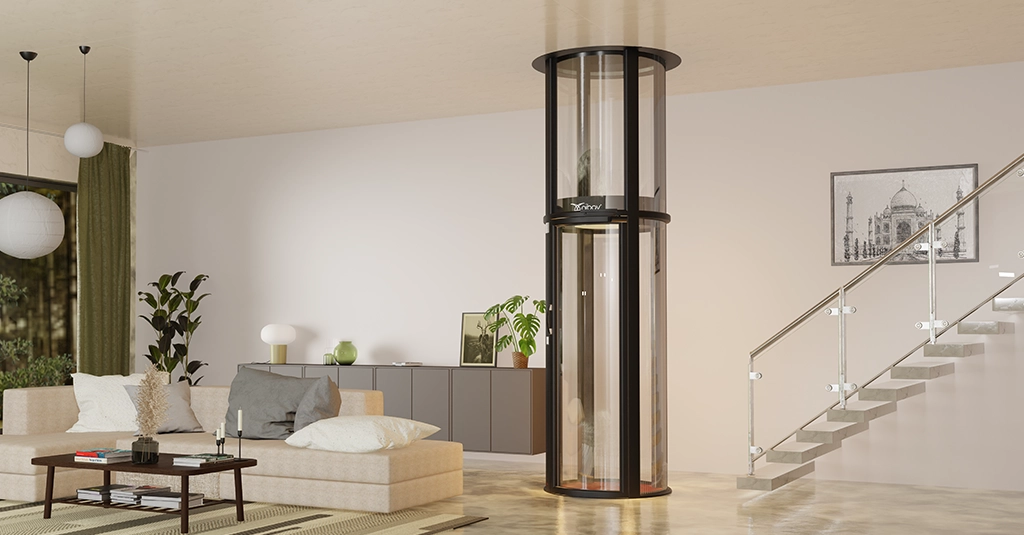
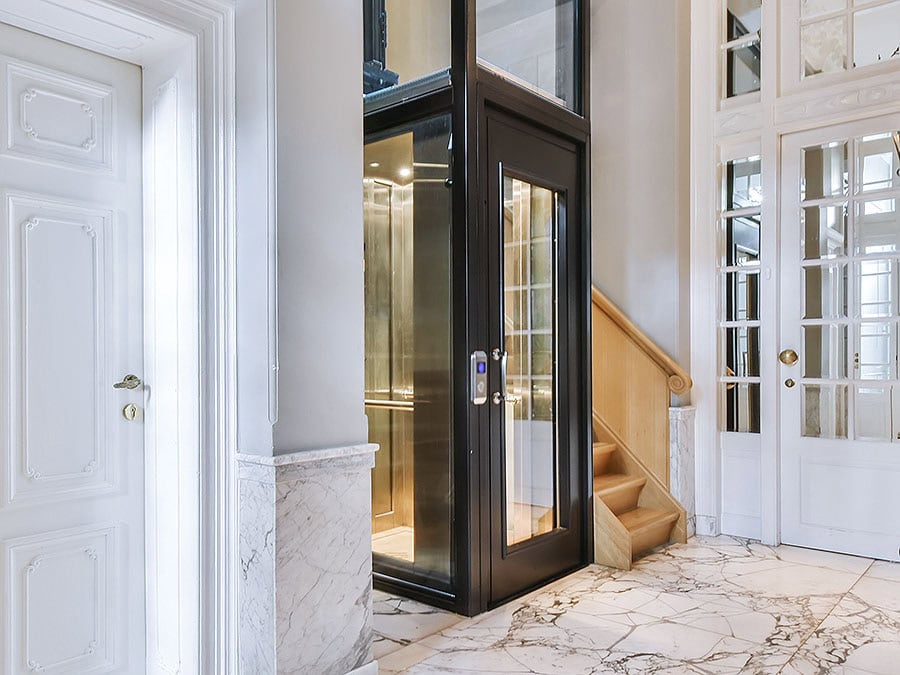
Hydraulic, traction and machine room less (MRL) options exist. Small space cabins suit tight layouts; luxury cabins offer glass walls and panoramic views.
Core safety features to require
Emergency stop door interlocks, overload sensors, backup power and reliable braking are essential.
Accessibility and design considerations
Car size, door configurations, interior finishes, handrails and tactile controls improve everyday use.
Smart technology and integrations
Mobile app control, remote monitoring and voice commands can be linked with other smart home devices.
Installation Process & Timeline Step by step
Consultation and site assessment
A professional evaluates the space and verifies constraints. You’ll get a preliminary plan and a rough budget.
Design, shaft engineering and permit planning
Engineers draft the shaft, choose a cabin and prepare permit applications. This sets the project path.
Final budget and contract signing
Final numbers are confirmed and a formal contract is signed. Clear milestones protect both sides.
Site preparation and structural work
Shaft construction, electrical upgrades and any structural reinforcement take place now.
Elevator installation (timeline and sequencing)
Mechanical and electrical installation proceeds in a sequence to minimize disruption. Your site crew will coordinate access needs.
System testing, safety checks and regulatory sign off
Comprehensive tests confirm safety and performance. Authorities sign off before handover.
Handover, training and warranty activation
Owners receive training and warranties go live. A maintenance plan is put in place.
What disruptions to expect
Expect construction noise and occasional access changes. A clear plan with the installer helps minimize downtime.
Timeline & Disruption Expectations
Typical project phases and durations
Planning, design, permitting, preparation, installation testing and handover create the timeline. Each phase has its own pace depending on complexity.
Coordinating with occupants and architects
Maintain open communication. Align schedules to minimize living disruptions and preserve aesthetics.
Real Life Use Case: Dubai Villa Elevator Project
Scenario: A luxury Dubai villa upgrades to a glass cabin, smart-enabled home elevator. Objectives focus on accessibility, design integration, and value uplift. Process highlights include site assessment, a 3–4 week installation window, a 12% contingency and Civil Defence inspection completed. Lessons learned emphasize early permit alignment, precise shaft dimensions and vendor coordination with the architect.
Selecting a Provider in Dubai
What makes a top home elevator company in the UAE
Look for ISO certification, a local UAE presence, solid warranty terms, service reach and spare parts availability. These elements ensure long-term reliability.
Evaluation criteria and red flags
Seek a clear scope of work, transparent pricing, real residential project experience and a good safety record.
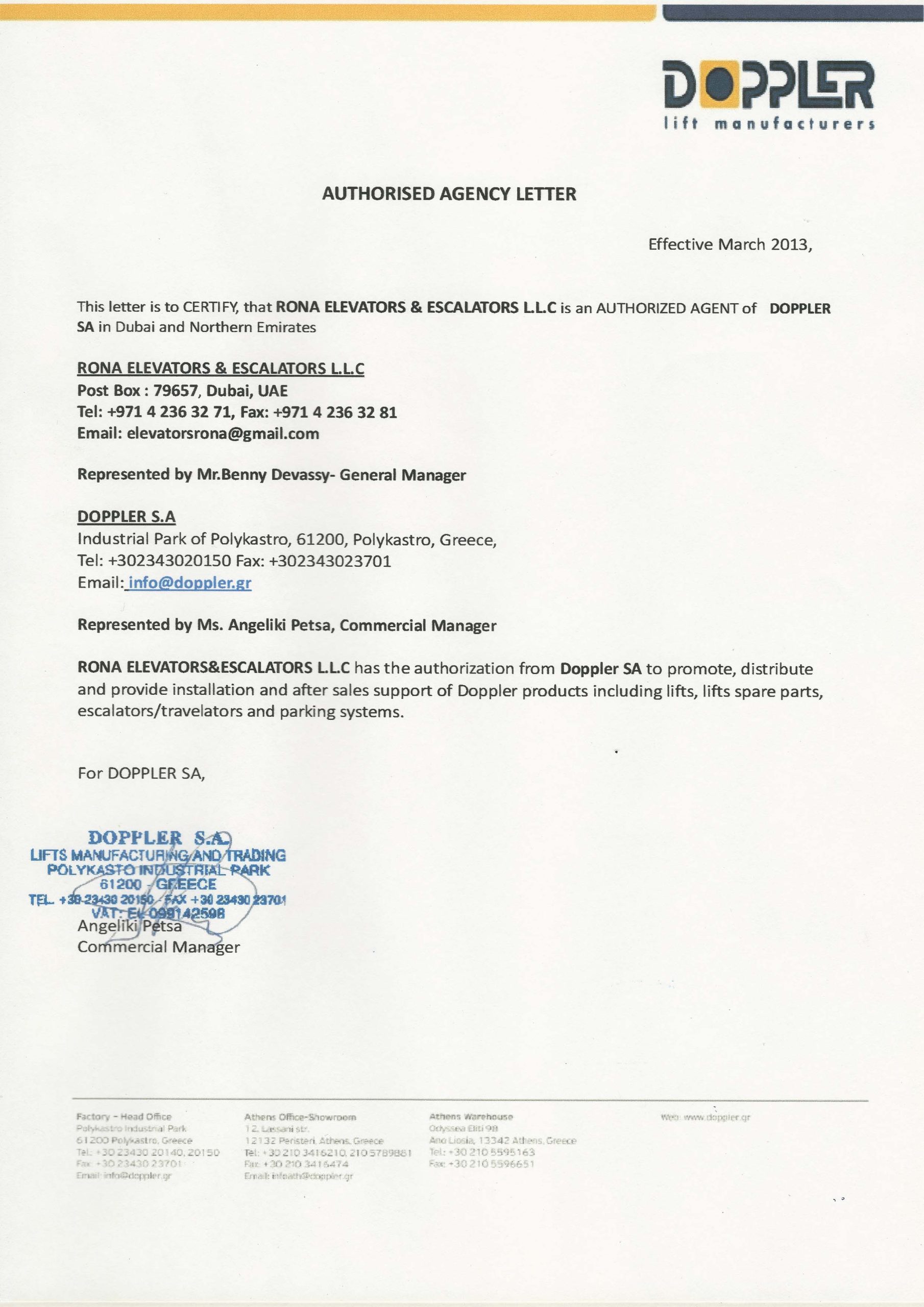
Why choose Rona Elevators
Rona Elevators offers a strong UAE footprint, ISO certified processes and a focus on safety and comprehensive maintenance programs. This aligns with high standards in Dubai projects.
Service coverage and aftercare
Expect routine maintenance, parts support and responsive emergency call-out options within UAE territory.
Post-Installation Support & Maintenance
Maintenance schedules and responsibilities
Monthly checks, quarterly inspections and annual safety tests keep the system reliable.
Warranty and extended service plans
Understand coverage, parts availability, and what extends beyond the standard warranty.
Spare parts and lifecycle planning
Parts availability in the UAE supports long-term sustainability and reduced downtime.
Quick Reference Content Blocks
- Pre-Installation Checklist (actionable, sequential): Site measurements, shaft viability, electrical capacity, architectural approvals.
- Installation Timeline Phases (timeline view): Planning Design Permits Preparation Installation Testing Handover.
- Elevator Type Comparison at a Glance: Hydraulic vs Traction vs MRL space needs; cost implications; maintenance.
- Cost Breakdown Snapshot: Equipment, labor, permits, structural work, finishes, contingencies.
- Safety Features Spotlight: Emergency stop, door sensors, overload protection, backup power.
- Dubai Regulatory Requirements Quick List: Permits, inspections, codes and agency references.
- Smart Technology Features to Consider: App control, remote diagnostics, integration with lighting and climate systems.
- Maintenance Schedule Snapshot: Monthly checks, quarterly inspections, annual compliance tests.
- Vendor Selection Criteria (scorecard style): Certifications, experience, warranties, service coverage, customization capability.
Conclusion
Careful planning, regulatory compliance and a trusted partner drive success. Rona Elevators is ready to guide Dubai-area homeowners from consultation through maintenance with ISO-certified processes and local support.
FAQs
What is the typical home elevator installation timeline in Dubai?
Usually 2–3 weeks for residential installs; larger systems can take 4–6 weeks.
How much does a home elevator cost in Dubai?
Costs vary by type, size and finishes; budgeting should include 10–15% contingency.
What permits are needed for home elevators in Dubai?
Permits and inspections align with Dubai Municipality, Civil Defence and DEWA standards.
What maintenance is required after installation?
Regular monthly/quarterly checks, safety inspections, and periodic component replacements per warranty.
How do I choose the best home elevator company in Dubai?
Look for ISO certification, UAE presence, clear warranties and a proven residential track record.