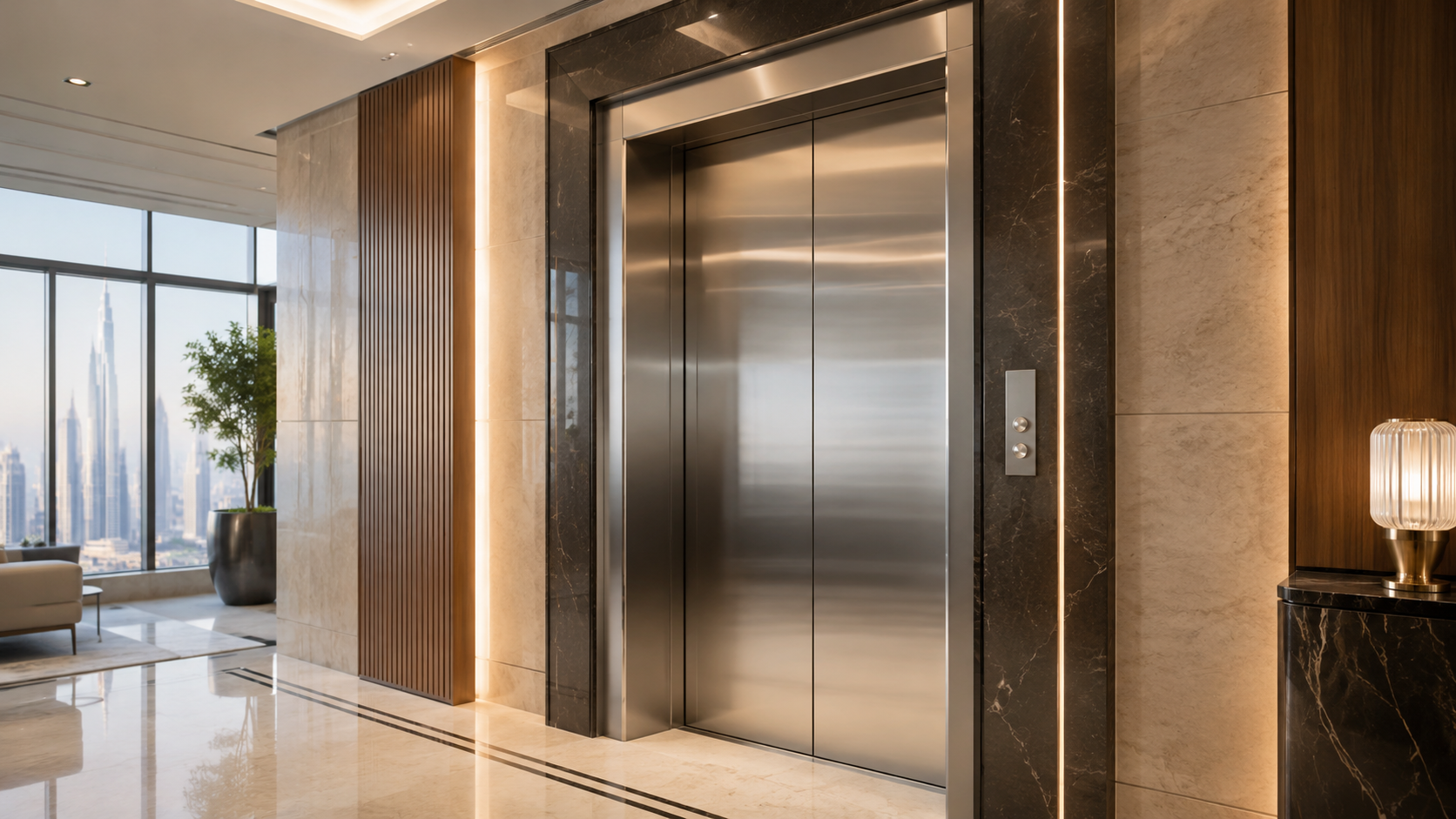
A reliable passenger elevator in Dubai is an essential part of modern residential, commercial and mixed-use buildings. From apartment towers and offices to hotels, shopping centres and healthcare facilities, elevators help people move safely and efficiently between floors.
However, selecting a passenger elevator involves much more than choosing the cabin design. Building height, expected passenger traffic, load capacity, elevator speed, available shaft space, energy consumption and maintenance requirements can all influence the final choice.
Understanding these factors before installation can help property owners, developers, consultants and contractors select an elevator that delivers dependable long-term performance.
What Is a Passenger Elevator?
A passenger elevator is designed primarily to transport people safely between different levels of a building.
Unlike cargo elevators that are designed to carry heavy goods, passenger lifts focus on comfort, accessibility, smooth operation and efficient passenger movement.
A modern passenger lift in Dubai can be installed in many types of properties, including:
- Residential apartment buildings
- Office towers
- Hotels
- Shopping centres
- Hospitals and healthcare buildings
- Educational institutions
- Government buildings
- Mixed-use developments
- Commercial properties
The correct elevator configuration will depend on the building’s height, usage and expected traffic.
Types of Passenger Elevators in Dubai
Different buildings require different elevator technologies. Understanding the main options makes it easier to choose the right system.
1. Traction Passenger Elevators
Traction elevators use a motor-driven system to move the elevator cabin through the shaft.
They are commonly selected for medium and high-rise buildings where faster travel and frequent daily operation are required.
Traction systems can provide:
- Smooth movement
- Higher operating speeds
- Efficient vertical transportation
- Good performance in high-traffic buildings
- Options for energy-efficient operation
They are particularly suitable for apartment towers, hotels and commercial buildings.
2. Machine Room-Less Elevators
Machine room-less elevators, commonly known as MRL elevators, are designed to reduce the need for a separate traditional machine room.
This can help architects and developers make more efficient use of available building space.
MRL elevators are often considered for:
- Residential buildings
- Offices
- Hotels
- Medium-rise commercial properties
- Buildings where space optimisation is important
The suitability of an MRL system should always be assessed according to the project’s technical requirements.
3. Hydraulic Passenger Elevators
Hydraulic elevators use hydraulic systems to raise and lower the elevator cabin.
They are commonly associated with low-rise buildings where very high travel speeds are not required.
Depending on the project, they may be suitable for:
- Low-rise commercial buildings
- Residential properties
- Smaller public buildings
- Buildings with limited vertical travel
The correct drive system should be selected after considering available space, travel height, expected usage and technical requirements.
4. Smart Passenger Elevators
Modern buildings increasingly use intelligent elevator technologies to improve passenger movement and operational efficiency.
Smart elevators may include features such as:
- Destination control
- Intelligent floor allocation
- Touchless controls
- Access-control integration
- Real-time system monitoring
- Energy-saving operating modes
- Remote performance monitoring
These technologies can be particularly useful in high-traffic commercial buildings.
How to Choose the Right Passenger Elevator Capacity
Capacity is one of the most important considerations when selecting a passenger elevator in Dubai.
Choosing an elevator that is too small can create long queues during busy periods. Selecting a system that is unnecessarily large can increase space and project requirements.
Important factors include:
Number of Building Occupants
A residential tower with hundreds of residents will have different requirements from a small office building.
Peak Traffic
Consider periods when elevator demand will be highest, such as:
- Morning office arrival
- Evening residential traffic
- Hotel check-in periods
- Lunch hours
- Public events
- Shift changes
Number of Floors
Buildings with more floors may require a different combination of speed, capacity and number of elevators.
Building Purpose
Elevator requirements can vary considerably between residential, commercial, hospitality and healthcare developments.
A professional traffic analysis can help determine the most suitable elevator quantity and capacity for larger projects.
How Important Is Elevator Speed?
Elevator speed has a direct impact on passenger experience, particularly in taller buildings.
A low-rise property may not require the same operating speed as a high-rise office or residential tower.
When determining appropriate elevator speed, project planners should consider:
- Total travel height
- Number of floors
- Expected passenger volume
- Number of elevators
- Building type
- Target waiting time
- Peak-hour demand
The objective is not simply to select the fastest possible elevator. The system should provide the right balance between performance, comfort, energy efficiency and project requirements.
Essential Safety Features in Passenger Elevators
Safety should be a primary consideration when choosing any passenger lift.
Depending on the elevator design and project specification, safety and operational features can include:
- Emergency alarm systems
- Door safety sensors
- Emergency lighting
- Communication systems
- Automatic rescue functions
- Overload protection
- Controlled braking systems
- Backup power provisions
- Accurate floor levelling
- Safety monitoring systems
Elevator specifications should also be designed and installed according to applicable standards, authority requirements and project consultant specifications.
Accessibility Should Be Considered from the Beginning
Modern elevator planning should consider passengers with different mobility needs.
Accessibility considerations can include:
- Appropriate cabin dimensions
- Convenient control-panel height
- Clear floor indicators
- Easy-to-use buttons
- Sufficient entrance width
- Smooth floor levelling
- Audible and visual indicators
- Handrails where required
Considering accessibility during the initial design stage can create a better experience for residents, visitors and building users.
Passenger Elevator Design and Cabin Finishes
The elevator cabin is one of the most visible parts of an elevator system.
For premium residential and commercial properties, cabin design can complement the architecture and interior identity of the building.
Common customisation options may include:
- Stainless-steel finishes
- Decorative wall panels
- Glass elements
- Custom flooring
- Ceiling designs
- LED lighting
- Mirrors
- Digital displays
- Custom control panels
- Branded interior elements
While appearance is important, materials should also be selected with durability, cleaning and long-term usage in mind.
What Determines Passenger Elevator Cost in Dubai?
There is no single fixed price for every passenger elevator in Dubai because elevator projects vary significantly.
Several factors can affect the final cost.
1. Number of Floors
Greater travel height generally means additional equipment and installation requirements.
2. Elevator Capacity
Larger-capacity elevators may require larger cabins, stronger components and additional shaft space.
3. Drive Technology
Traction, hydraulic and MRL systems have different equipment and installation requirements.
4. Elevator Speed
Higher-speed elevators may require more advanced equipment.
5. Cabin Design
Premium wall panels, flooring, lighting, glass and customised interiors can affect the overall project cost.
6. Building Structure
Installing an elevator in a new development can differ considerably from integrating one into an existing building.
7. Number of Elevators
Large developments may require multiple elevators to manage passenger traffic efficiently.
8. Additional Technology
Smart controls, destination systems, access-control integration and advanced monitoring can influence the project specification.
For this reason, an accurate elevator quotation normally requires a review of the project drawings, travel height, number of stops, expected capacity and required finishes.
New Installation vs Elevator Modernization
Not every building needs a completely new elevator system.
If an existing elevator is experiencing recurring faults, poor levelling, outdated controls, inefficient operation or difficulty sourcing components, modernization may be another option.
Modernization can involve upgrading areas such as:
- Control systems
- Drives
- Doors
- Electrical components
- Cabin interiors
- Safety systems
- Displays and operating panels
The best approach depends on the age and condition of the existing elevator.
Why Maintenance Matters After Installation
Elevator performance does not depend only on the initial installation.
Regular inspection and preventive maintenance are important for identifying wear, maintaining reliable operation and reducing the likelihood of unexpected interruptions.
A maintenance programme may include checks on:
- Door operation
- Control systems
- Drive components
- Safety devices
- Electrical connections
- Levelling accuracy
- Emergency systems
- Cabin equipment
Property owners should consider long-term maintenance support when selecting an elevator supplier, rather than focusing only on the initial purchase.
Questions to Ask Before Choosing a Passenger Elevator
Before confirming an elevator system, ask the following:
- How many floors will the elevator serve?
- What passenger capacity is required?
- How many people will use it during peak periods?
- What elevator speed is appropriate?
- How much shaft space is available?
- Is accessibility required?
- What cabin finishes are preferred?
- What safety features are included?
- What maintenance support is available?
- Can the elevator be modernized or upgraded in the future?
Answering these questions early can simplify the design and selection process.
Choosing a Passenger Elevator Company in Dubai
Selecting the right elevator partner is equally important as selecting the elevator itself.
Look for a company that can support the complete project lifecycle, including:
- Technical consultation
- Elevator selection
- Supply
- Installation
- Testing
- Maintenance
- Repair
- Modernization
- Spare-parts support
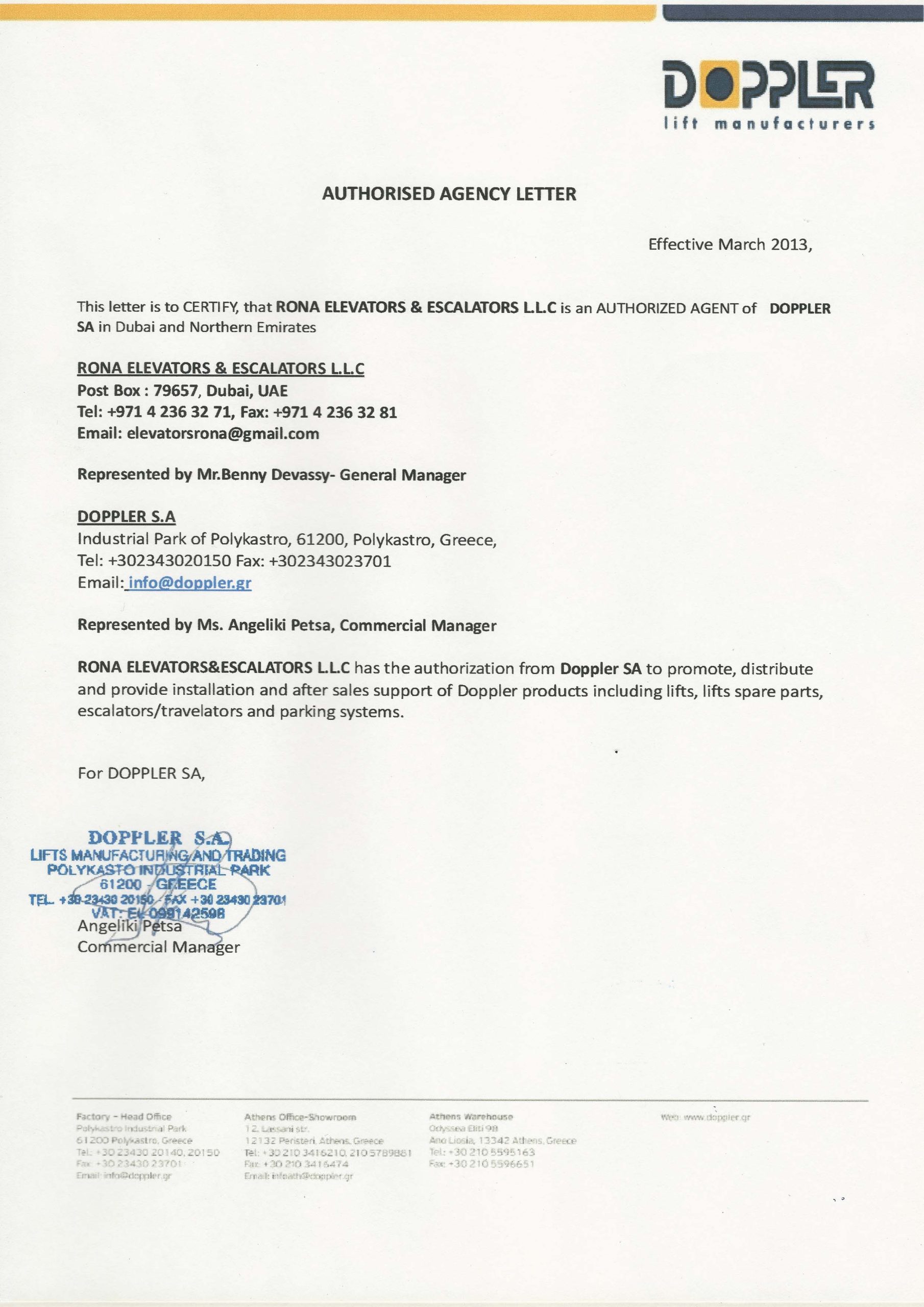
Rona Elevators & Escalators provides vertical transportation solutions for residential, commercial and other building applications in the UAE.
If you are planning a new passenger elevator in Dubai, discussing your building requirements with an experienced elevator team can help you determine the right capacity, technology and configuration.
Selecting the right passenger elevator in Dubai requires a balance of safety, performance, passenger capacity, building design and long-term operating requirements.
Rather than selecting an elevator based only on appearance or price, property owners and developers should consider the complete lifecycle of the system.
From drive technology and capacity to accessibility, cabin design and maintenance support, every decision can influence the performance of the elevator for years to come.
Planning a passenger elevator for your building? Contact Rona Elevators & Escalators to discuss your project requirements and suitable vertical transportation options.
Frequently Asked Questions
What is the best passenger elevator for a commercial building in Dubai?
The best elevator depends on building height, passenger traffic, number of floors, available space and required capacity. Medium and high-rise commercial buildings commonly require systems designed for frequent passenger movement and efficient traffic management.
How much does a passenger elevator cost in Dubai?
Passenger elevator cost varies according to capacity, number of floors, drive system, speed, cabin finishes, building structure and additional technology. A project-specific quotation is the most reliable way to determine the cost.
What capacity passenger elevator should I choose?
Capacity should be selected based on building occupancy, peak passenger demand, building use and number of elevators. Larger developments may benefit from a detailed traffic analysis.
How often does a passenger elevator need maintenance?
Maintenance frequency depends on elevator usage, equipment type, manufacturer requirements, building conditions and applicable requirements. High-traffic elevators may require more frequent attention than lightly used systems.
Can an old passenger elevator be upgraded?
Yes. Depending on the condition of the existing equipment, elevator modernization can upgrade controls, drives, doors, safety components, cabin finishes and other systems without necessarily replacing every component.